

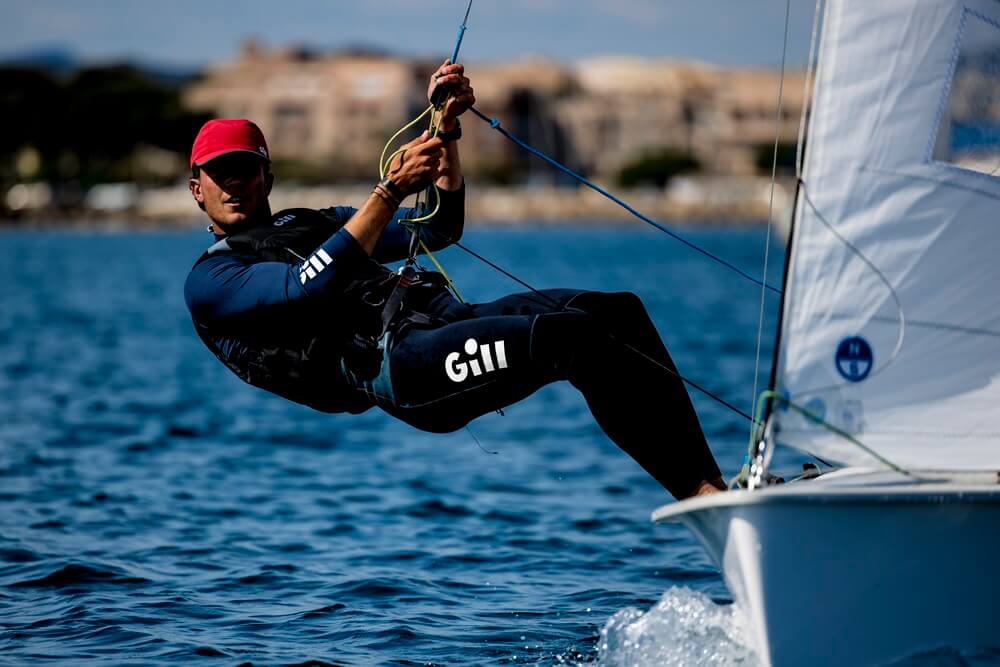
We’re delighted to welcome a guest blog from our marine partner, Gill Marine – the ocean performance specialists and a leading name in technical apparel – keeping people dry, comfortable and protected on the water since 1975. With decades of expertise and knowledge, who better to share everything you need to know about wetsuits this summer?
Longer days and warmer air temperatures make summer the perfect season to spend more time on the water. But while the warmer weather may suggest it’s time to ditch the layers, water temperature often tells a different story.
At Gill, we’ve been designing and developing wetsuits for over 50 years and gained valuable insight into what makes a good wetsuit over that time. Working closely with athletes and ambassadors, as well as reading each customer review, we’re constantly refining and re-engineering our wetsuits to ensure the best fit and performance for our customers, whilst also looking at the latest innovations in materials.

The development of the next-generation Dynamic wetsuit began with a simple question: could we deliver the same trusted performance while moving away from traditional neoprene? Rather than treating sustainability as a premium add-on, our design team set out to find a material that could become the new standard. After extensive material evaluation and wear testing, BIO Foam emerged as the answer, combining renewable ingredients such as natural rubber and organic resins with the flexibility and durability sailors expect from a Gill wetsuit.
Every design decision was then shaped around making the wetsuit as intuitive and comfortable to use as possible. BIO Foam’s exceptional 4-way stretch allowed us to retain our signature front-entry construction without relying on restrictive Velcro shoulder adjustments. The result is a wetsuit that’s quick to step into, moves naturally with the body, and delivers the comfort and performance that have made the Dynamic Long Jane and Long John favourites among new and occasional users alike. This is just the beginning, with BIO Foam set to be introduced across more of the Gill wetsuit collection from early next year.
Whether your sailing, paddleboarding, surfing or swimming, the right wetsuit can make all the difference to your comfort, performance and confidence. Here’s what to consider when choosing a wetsuit for summer.

- Choose the Right Thickness
One of the most important factors is thickness. Summer wetsuits are designed to balance warmth with flexibility, preventing you from overheating while still providing insulation when you’re in the water.
As a general guide:
2mm – Ideal for warm summer conditions and high-activity sports.
3/2mm – A versatile option for mixed conditions and cooler mornings or evenings.
4/3mm and above – Better suited to colder water or early and late season use.
2. Prioritise Freedom of Movement.
Whether you’re trimming sails, paddling or swimming, unrestricted movement is essential. Look for wetsuits made from flexible neoprene with ergonomic panel designs that move naturally with your body.
Stretch fabrics reduce fatigue over longer sessions and make getting on and off much easier.
Gill’s ZenLite (Men’s, Women’s and Junior) and ZenTherm (Men’s, Women’s and junior) wetsuit collections are made from X4 Super-Stretch neoprene. With up to 2x the stretch of standard neoprene, these styles provide the ultimate freedom of movement.

3. Consider your Activity
Different watersports place different demands on your clothing.
- Sailing: Reinforced knees and seat panels help withstand abrasion from decks and boat surfaces.
- Paddle sports: Maximum shoulder flexibility helps reduce fatigue during repetitive movements.
- Surfing and swimming: Lightweight, streamlined designs improve comfort and mobility.
- General watersports: A versatile wetsuit that balances warmth, durability and flexibility often is the best choice.
Choosing a wetsuit designed for your activity will improve both comfort and longevity.
4. Check the Fit
A wetsuit should feel snug without restricting your breathing or movement. A close fit helps trap a thin layer of water between your skin and the wetsuit, which your body warms to provide insulation.
If the wetsuit feels loose around the lower back, underarms or behind the knees, cold water can continually flush through, reducing its effectiveness.
5. Look at Seam Construction
The way a wetsuit is stitched affects both comfort and performance.
- Flatlock seams are lightweight and breathable, making them ideal for warmer conditions.
- Glued and blind-stitched seams minimise water entry and offer greater warmth if you’ll be in cooler water for longer periods.
For most summer activities, flatlock construction provides an excellent balance for comfort and value. Gill’s Dynamic Long John and Long Jane uses flatlock construction and is sleeveless making it ideal for warmer temperatures and can be layered up or down depending on the conditions.
6. Think about Entry Systems
Wetsuits are available with different zip configurations.
- Back zip: Easy to put on and ideal for casual users.
- Chest zip: Offers increased flexibility with reduced water entry.
- Zip-free: Delivers maximum stretch but can require a little more effort to get into.
The best choice comes down to personal preference and how frequently you’ll be wearing your wetsuit.

7. Don’t Forget UV Protection
Even if you’re spending more time above the water than in it, a wetsuit provides valuable protection against the sun. Long-sleeves and full-length legs can reduce UV exposure while also protecting against wind chill and abrasion.
Finally caring for your wetsuit is essential to ensure the continued performance and longevity of the garment. Perhaps an obvious tip to the more seasoned wearers but we do not recommend placing your wetsuit in a washing machine. The machine cycle can damage the integrity of the neoprene. We recommend the following:
Pre-Wash
Turn the wetsuit inside out.
Wash
Use lukewarm water to hand-wash using Nikwax Wetsuit Refresh, do not use soap or washing detergent as this will be absorbed by the neoprene and release once wet again in the future. Ensure that areas such as underarms and crotch are rinsed well. Wetsuit Refresh ensures your wetsuit and other neoprene gear stays in peak condition and lasts longer, so you can max your enjoyment in the water…
Drying
Hang the wetsuit on a hanger and air dry – preferably outside, however, avoid leaving in direct sunlight. Ensure that the wetsuit is completely dry before storing. Do not store the garment in a warm and humid environment.
